Preventing Coolant Waste in Direct-to-Chip Cooling Systems
Preventing Coolant Waste in Direct-to-Chip Cooling Systems

Image Source: Equinix, CIO SEA
Direct-to-Chip Is Expanding — and So Is Liquid Inside the White Space
Direct-to-Chip cooling is steadily expanding in high-density and AI-driven data centers. As rack power levels rise, liquid loops are increasingly deployed alongside air cooling to handle concentrated thermal loads.
This evolution introduces something relatively new inside the data hall: distributed liquid circuits running directly within IT racks.
While discussions often focus on performance and density, key operational questions receive less attention:
How closely are coolant circuits monitored, and how can leaks be prevented effectively?
Where Small Leaks Typically Occur
In a Direct-to-Chip (D2C) architecture, coolant circulates through:
- Cold plates mounted on CPUs and GPUs
- Flexible hoses within the rack
- Manifolds distributing coolant across servers
- CDU connections
- Quick-disconnect fittings used during maintenance
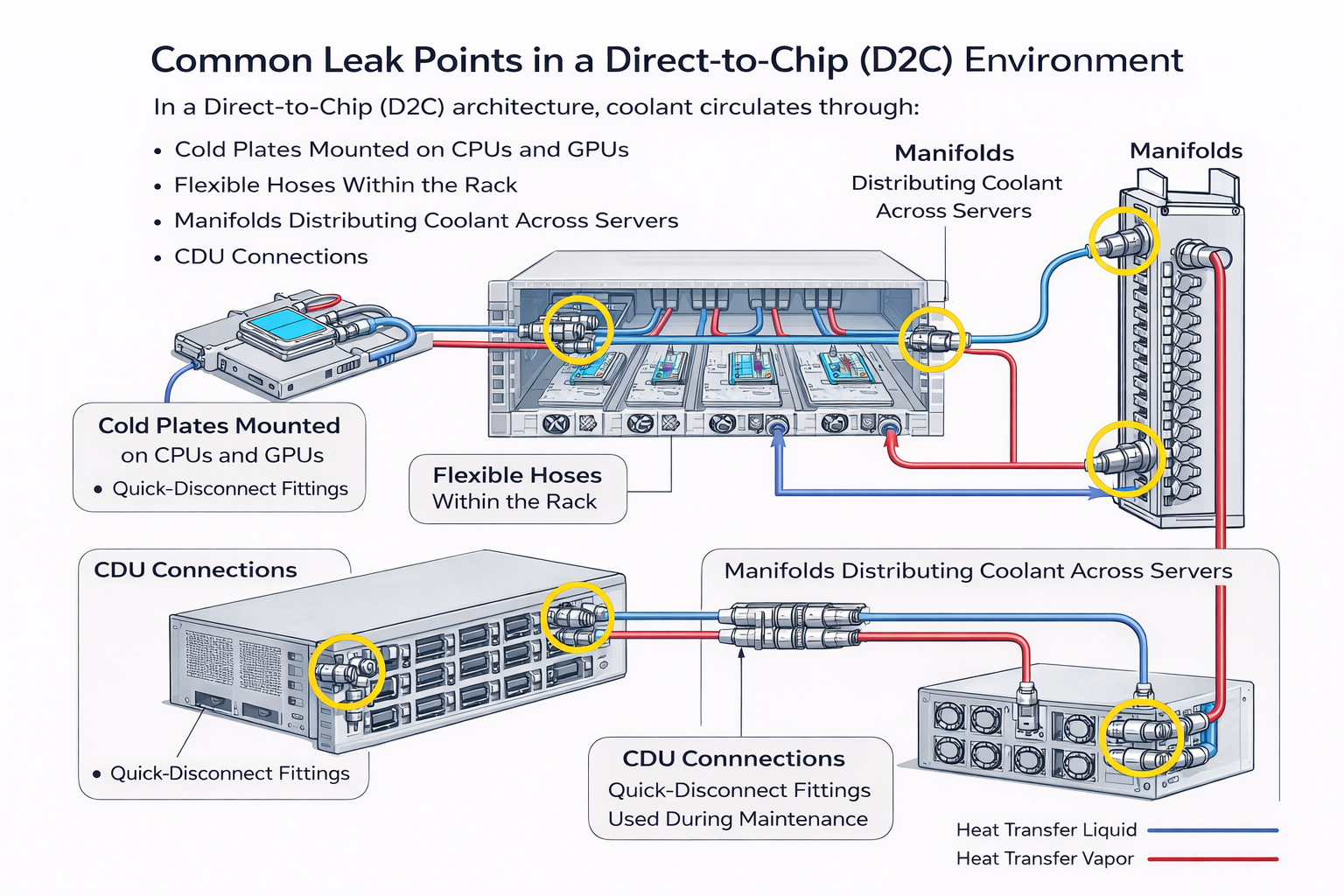
Figure 1: Common Leak Points in a D2C Environment
In addition to the racks, the entire liquid loop needs continuous monitoring:
- Pipe runs between racks and the CDU
- Supply and return lines extending toward the chiller system
Major hose failures are uncommon. More often, fluid loss begins with small, progressive issues — an improperly sealed fitting after intervention, gradual gasket wear, or a minor seepage at a connection point.
In early stages, IT systems continue to run normally. Cooling performance remains stable. There may be no visible alarm.
How Micro-Leaks Are Usually Detected
Gradual coolant loss is often identified indirectly:
- More frequent CDU refilling
- Minor loop pressure variations
- Occasional air purging requirements
These signs do not necessarily indicate a critical situation. However, they suggest that fluid is leaving the circuit somewhere within the system. Over time, persistent micro-leaks can increase coolant consumption and require regular inspections to identify their source, particularly in large-scale environments.
Why Early Detection Makes a Difference
In Direct-to-Chip environments, the objective is not only to react to major incidents. It is to identify small leaks before they persist.
Early leak detection helps operators:
- Localize fluid presence at its origin
- Limit coolant loss to minimal volumes
- Reduce repeated maintenance interventions
As liquid infrastructure scales, monitoring the coolant layer becomes part of standard operational discipline — alongside temperature and power supervision.
Monitoring Liquid with the Same Precision as Cooling
Direct-to-Chip cooling is designed to remove heat efficiently from high-density IT equipment. Monitoring the liquid circuit with precision ensures that this efficiency is maintained over time.
Early coolant and water leak detection solutions — such as those developed by TTK for liquid-cooled data centers — are designed to provide continuous monitoring across these zones: inside racks, beneath raised floors, along pipe routes, and around CDUs.
By detecting fluid presence at its earliest stage and pinpointing its location, operators can intervene quickly, limit coolant loss, mitigate potential downtime, and maintain full control over the liquid infrastructure.
As Direct-to-Chip systems scale, liquid leak monitoring should scale with them.
Because in D2C environments, operational reliability depends not only on removing heat efficiently — but on knowing exactly where the liquid is at all times. 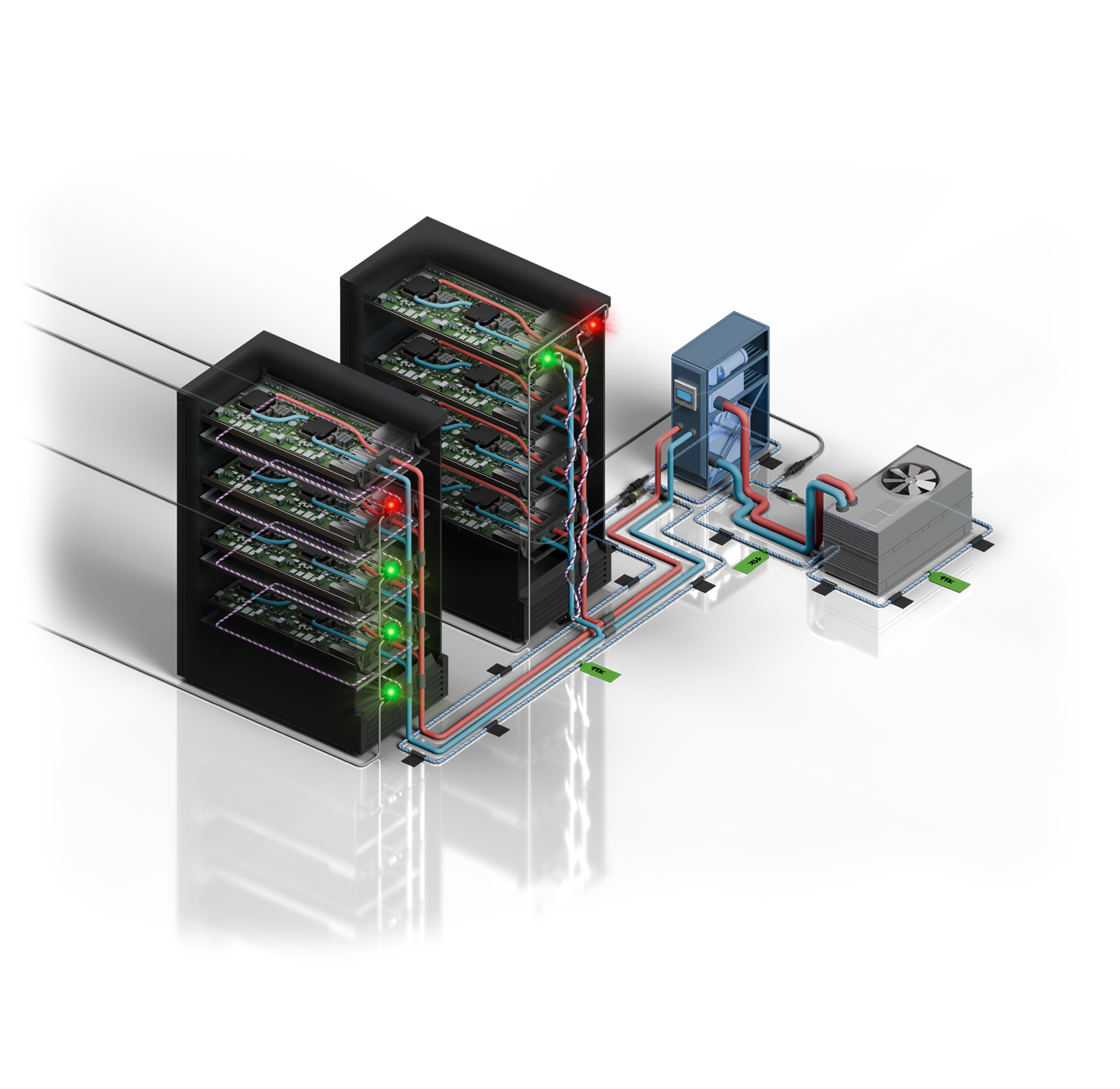
Figure 2: Two Direct-to-Chip cooled server racks monitored by TTK early leak detection system (FG-DLC sensor)